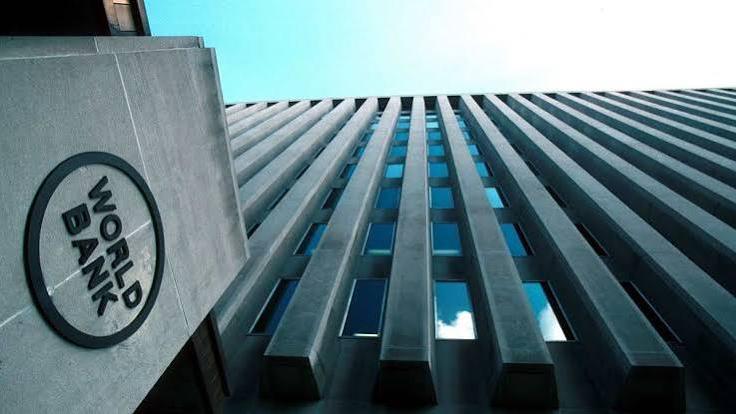
Nigeria's 36 states recorded a roughly 93 percent increase in aggregate revenue between 2023 and 2025, but the share of state spending allocated to education declined over the same period, the World Bank said in its latest Nigeria Development Update.
The bank attributed much of the revenue growth to exchange rate reforms, the removal of petrol subsidy, stronger revenue administration and increased allocations from the Federation Account. State expenditure rose by about 92 percent in real terms over the period, broadly tracking the growth in revenue.
Capital expenditure accounted for 61 percent of total state spending, up from 46 percent previously, with transport infrastructure recording the largest increase alongside significant spending on housing and agriculture. Education's share of state expenditure, however, fell from 14.9 percent in 2021 to 12.1 percent in 2025.
World Bank Country Director for Nigeria, Mathew Verghis, said the higher revenues had created an opportunity for states to improve infrastructure, education, healthcare and water services, but stressed that spending efficiency, accountability and better service delivery were essential if the additional resources were to translate into real benefits for Nigerians.
The bank acknowledged improvements in states' fiscal reporting and transparency, while reiterating that stronger investment in human capital remains necessary to convert the country's economic reforms into sustainable jobs and improved living standards.