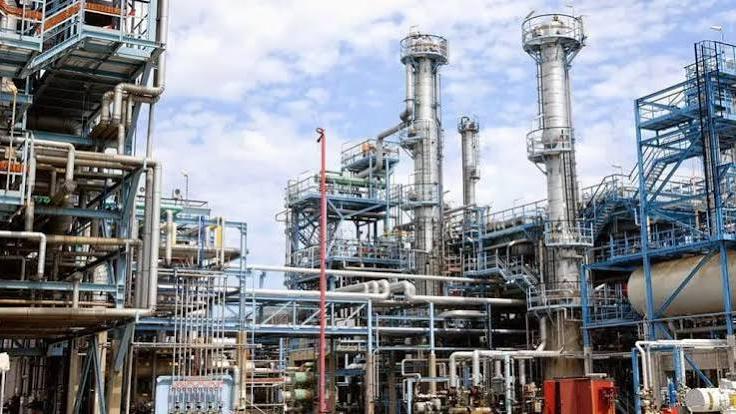
Support staff at the Port Harcourt Refining Company have threatened to shut the facility. Their grievance is direct: seven months of unpaid salaries and a new salary structure that was never implemented. The workers issued a 48-hour ultimatum. They have already barricaded the refinery entrance. The operator's formal response has not yet been reported.
The timing could hardly be worse for the government. On the same day, President Tinubu was pushing an industrialization message. He said Nigeria would prioritize gas supply and reliable power for industrial clusters. His stated target: raising manufacturing's share of real GDP to 20–25 percent by 2030, from below 9 percent in 2024.
The contrast is uncomfortable. A president promises factories and power. Refinery workers barricade a gate over unpaid wages. The distance between the two is the distance Nigeria must close.
The Port Harcourt refinery has been central to Abuja's fuel-sufficiency ambitions. It resumed operations after years of rehabilitation. Its output was meant to reduce imports and ease pump prices. A shutdown by support staff would dent that narrative at a sensitive moment.
Labor disputes have flared across the economy this week. Public servants only recently ended a three-day warning strike. Their demands, including a new minimum wage, remain unresolved.
Forty-eight hours is a short fuse. Workers say they are done waiting. Management has until the deadline to respond.