The Bank of England raised its base rate to 4 percent from 3.75 percent on Thursday, its first increase since August 2023, as it moved to contain inflation pushed up by energy costs. The decision was widely expected but not unanimous: one member of the Monetary Policy Committee voted for a larger rise to 4.25 percent, according to IBTimes UK, which did not give the full vote split.
The bank pointed to energy price pressure linked to the Iran war, which began on February 28, 2026. Disruption to shipping through the Strait of Hormuz, a key route for oil and gas, has squeezed supplies and raised costs, and higher fuel prices feed into transport and food. UK inflation stood at 3.5 percent in September, an 11-month high and well above the bank's 2 percent target, and the bank expects it to approach 5 percent by mid-2027, the reports said.
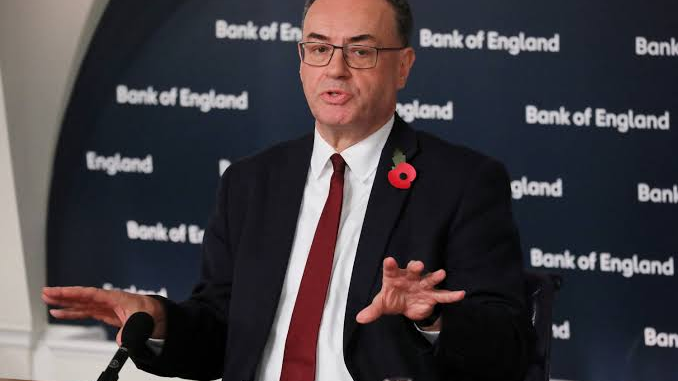
Governor Andrew Bailey said at least one more rise should be expected, but cautioned against assuming a long run of increases, IBTimes UK reported in a paraphrase and not a direct quote. CNBC's headline on the decision described it as the first hike since the Iran war began and said the bank had warned inflation would near 5 percent.
For households, tracker mortgage payments are likely to rise almost immediately, and people remortgaging off fixed deals may face higher costs as lenders reprice. Savers may benefit if banks pass on part of the increase, though providers are not required to pass on all of it. The reports reviewed did not cover the pound's reaction, and the full committee vote split had not been published in them.